Oatmeal has a reputation problem. Too often, it’s remembered as watery, gluey, or painfully boring. But when it’s done right? Oatmeal is cozy, luxurious, and endlessly customizable—the kind of breakfast you actually look forward to.
The secret isn’t fancy ingredients or complicated techniques. It’s all about how you cook it and when you layer in flavor.
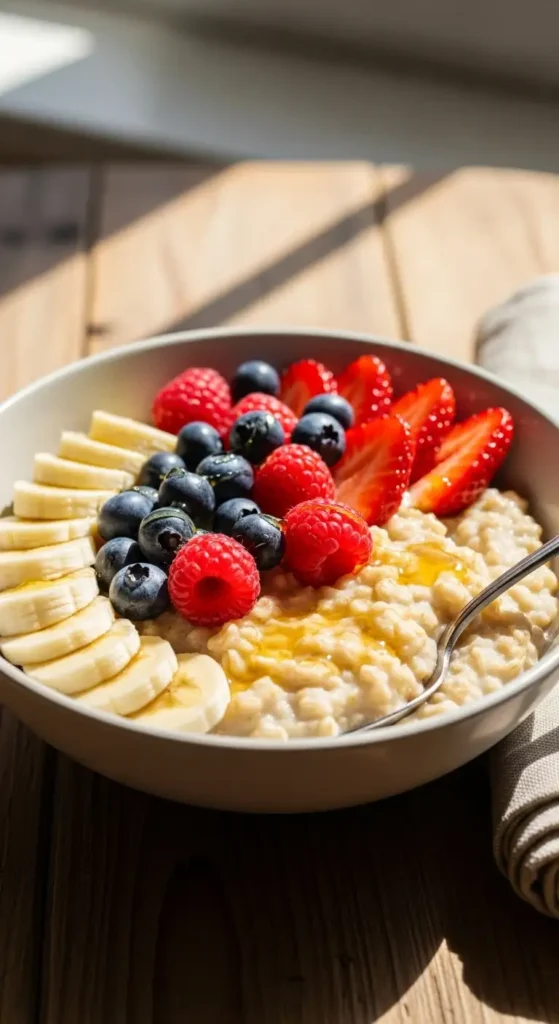
Let’s walk through exactly how to make oatmeal that’s rich, creamy, and deeply satisfying every single time.
Choose the Right Oats (This Matters More Than You Think)
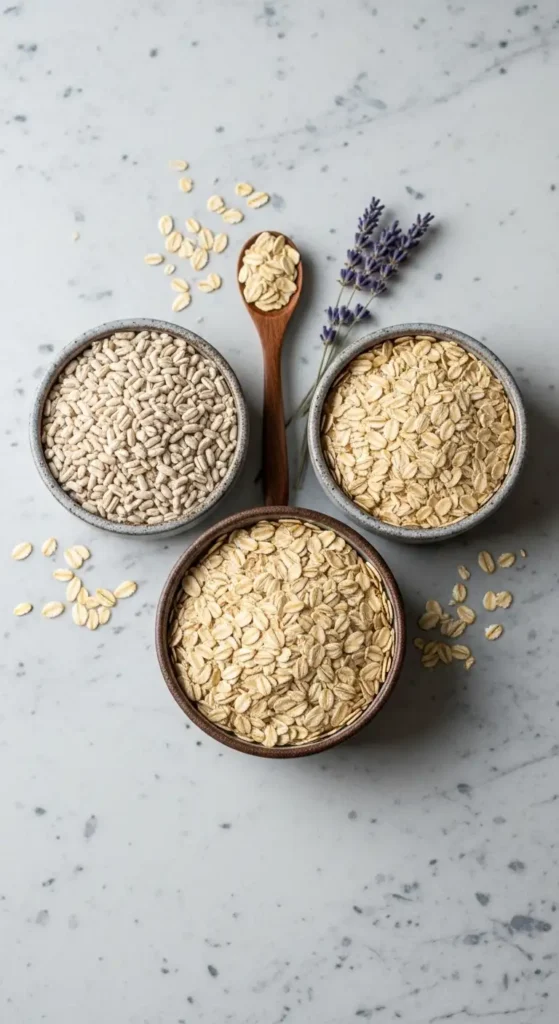
Not all oats behave the same in the pot. The kind you choose sets the tone for your entire bowl.
Here’s a quick breakdown:
- Rolled oats – The best all-around choice. Creamy, comforting, and ready in about 5 minutes.
- Steel-cut oats – Chewy and hearty with a nutty flavor, but they take longer to cook.
- Quick oats – Fast, but more likely to turn mushy.
- Instant oats – Convenient, but often bland and overly soft.
If your goal is creamy but textured, rolled oats are your best friend.
Use the Right Liquid Ratio for Creaminess
Watery oatmeal usually comes down to one thing: too much water and not enough fat.
Instead of using only water, try this formula:
- 1 part oats
- 2 parts liquid
But here’s the upgrade: make at least half of that liquid milk.
Good options include:
- Whole milk or half-and-half for richness
- Almond milk or oat milk for a dairy-free version
- Coconut milk for extra creaminess and subtle sweetness
You can even do:
- 1 cup milk + 1 cup water
This keeps it creamy without feeling heavy.
Don’t Rush the Cooking Process
Oatmeal rewards patience. Cooking it too fast over high heat causes the oats to burst and release starch too quickly, leading to gummy results.
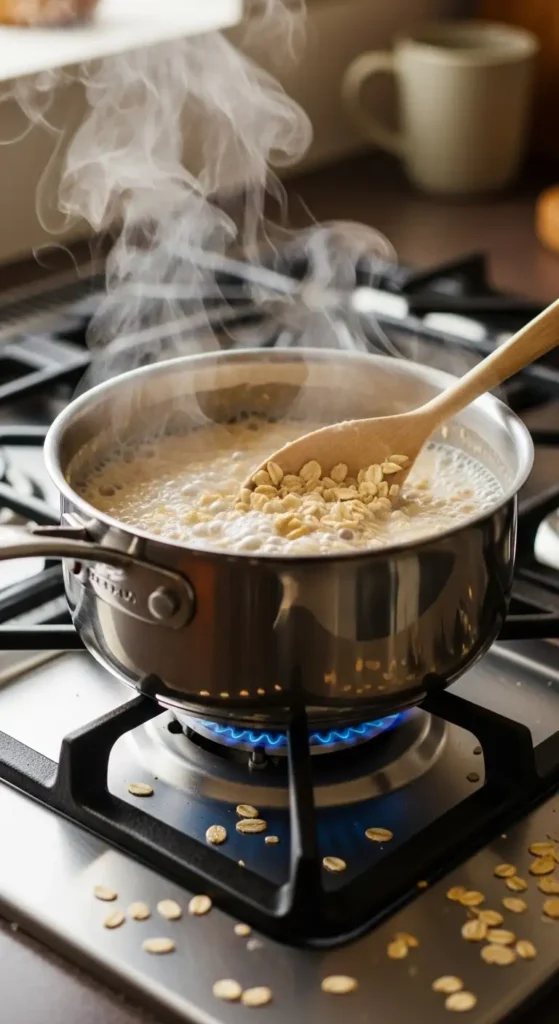
Here’s the method that works every time:
- Bring your liquid to a gentle simmer.
- Stir in the oats and a pinch of salt.
- Reduce heat to low.
- Cook slowly, stirring every 30–60 seconds.
Rolled oats usually take 5–7 minutes, but the magic happens in those last few slow stirs.
Salt Early, Sweeten Later
This step alone can transform bland oatmeal into something crave-worthy.
Add a small pinch of salt right after the oats go in. Not enough to make it salty—just enough to wake up the flavor.
Sweeteners come later, once the oats are fully cooked. This prevents the sugars from dulling the natural oat flavor.
Great sweetening options:
- Maple syrup
- Honey
- Brown sugar
- Mashed ripe banana
- Date paste
Start small. You can always add more.
Stir Smart for a Creamy Texture
Stirring isn’t just busywork—it’s how you control texture.
- Stir occasionally at first to prevent sticking.
- Stir more frequently toward the end to release starch.
- If it thickens too much, add a splash of warm milk and stir.
That final minute of stirring is what turns oats from “fine” into luxuriously creamy.
Build Flavor with Simple Add-Ins
Plain oatmeal doesn’t have to stay plain. A few thoughtful additions can make it taste like a dessert—or a hearty, savory meal.
Try stirring in:
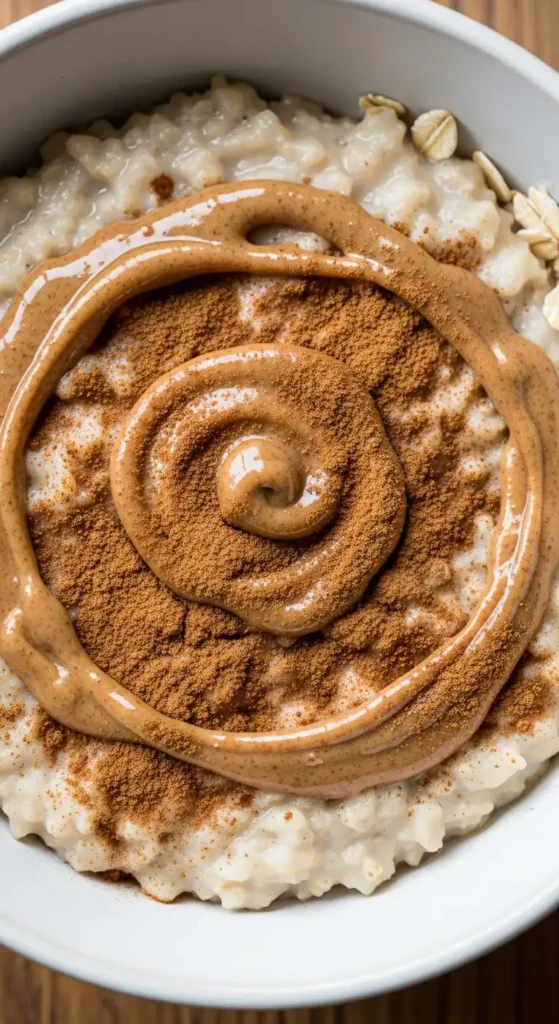
- Cinnamon, nutmeg, or cardamom
- Vanilla extract
- Peanut butter or almond butter
- A pat of butter for richness
Add these after cooking, while the oats are still hot.
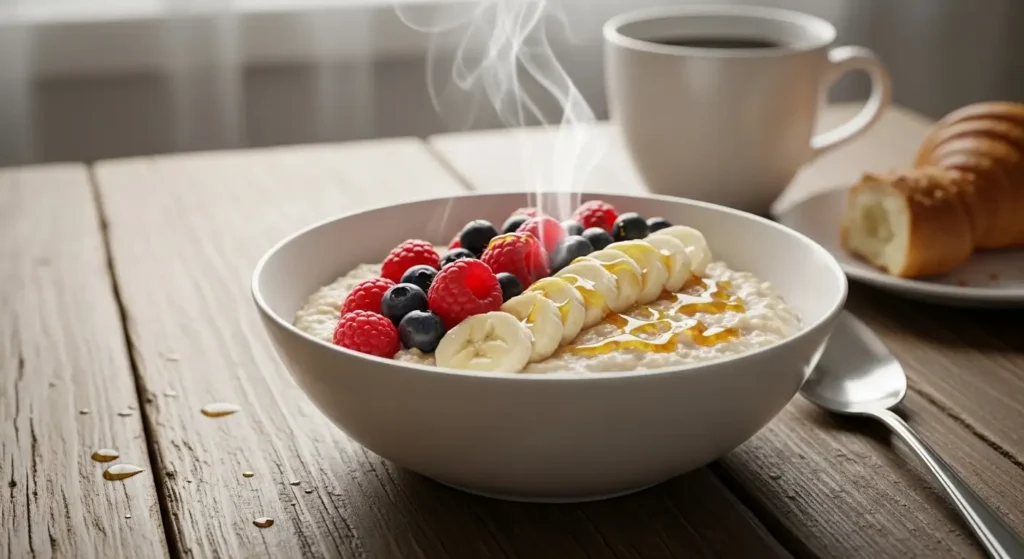
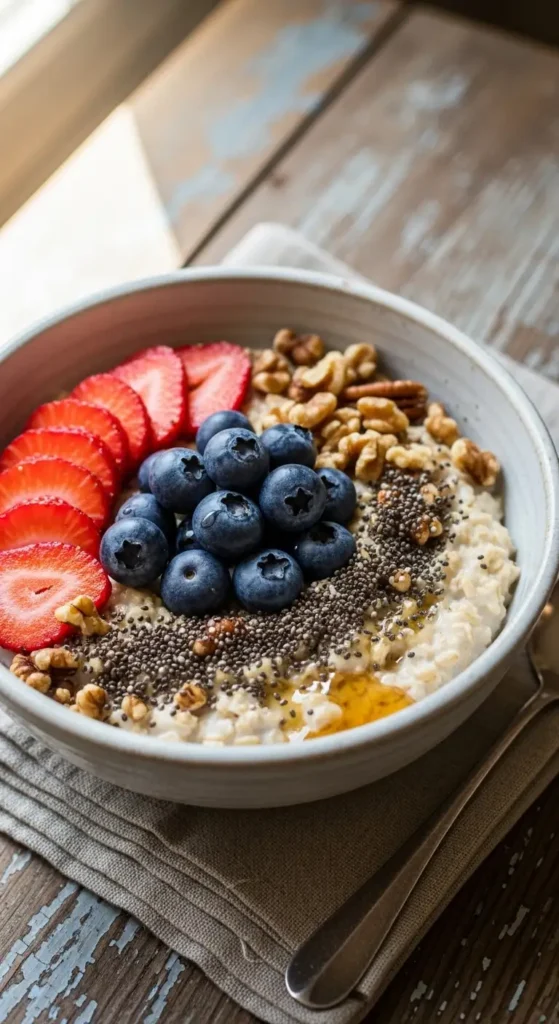
Finish with Toppings That Add Contrast
Great oatmeal is all about balance: creamy base, contrasting textures, and bright flavors.
Top it with:
- Fresh or roasted fruit
- Toasted nuts or seeds
- Coconut flakes
- Yogurt or cream
- A drizzle of maple syrup or honey
This final layer is where oatmeal goes from everyday breakfast to Pinterest-worthy comfort food.
The Takeaway: Oatmeal Deserves Better
Creamy, flavorful oatmeal isn’t complicated—it’s intentional. Use the right oats, cook them slowly, season thoughtfully, and finish strong with texture and flavor.