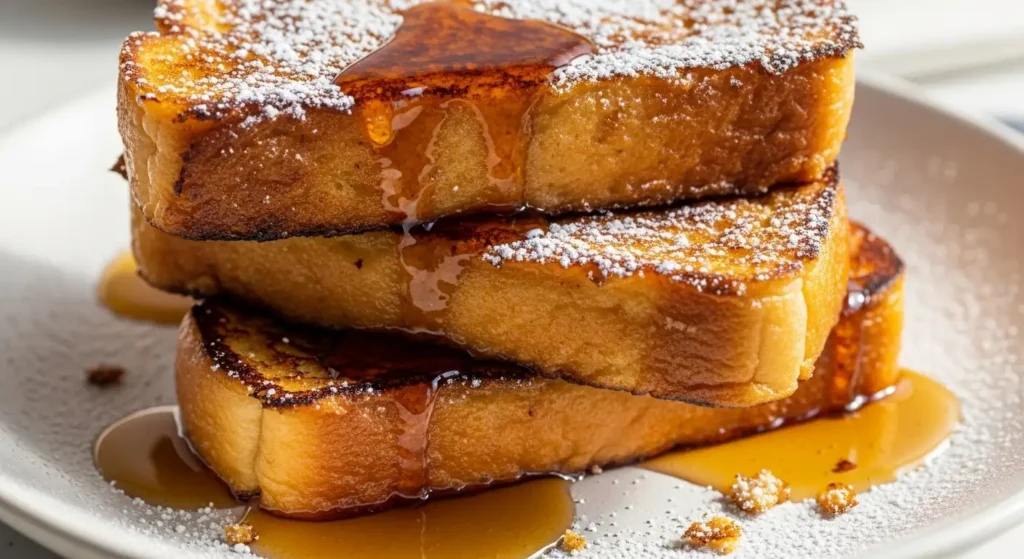
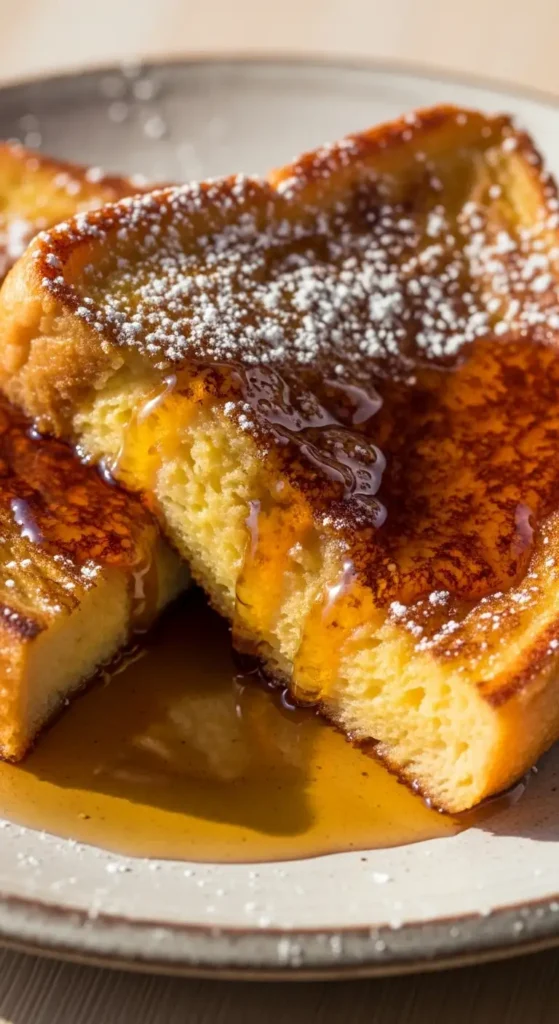
French toast looks simple—but getting that perfect contrast (crisp, golden edges with a soft, custardy center) is where most home cooks struggle. Too soggy? Too dry? Tastes like eggs? Been there.
The good news: once you understand a few small techniques, French toast becomes effortlessly impressive. Whether it’s a lazy weekend breakfast or a brunch centerpiece, this guide will show you exactly how to nail it every time.
Choose the Right Bread (This Matters More Than Anything)
Bread isn’t just a vehicle for eggs—it defines the texture.
Best breads for crispy-outside, soft-inside French toast:
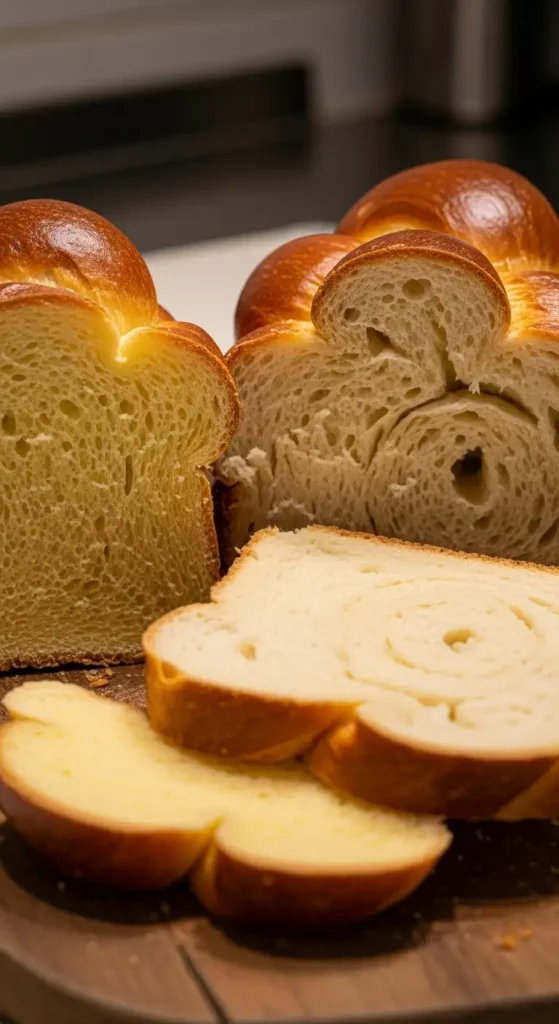
- Brioche – Rich, buttery, and ideal for a custardy interior
- Challah – Slightly dense with structure that holds up to soaking
- Thick-cut white sandwich bread – Surprisingly great if slightly stale
- Texas toast – Thick slices = better contrast
Pro tip: Day-old or slightly stale bread works best. Fresh bread absorbs unevenly and turns mushy fast.
Build a Custard (Not Just Eggs and Milk)
The secret to soft centers? A proper custard.
Skip watery mixtures. You want richness and balance.
Ideal custard ratio:
- 2 large eggs
- ½ cup whole milk or half-and-half
- 1 tablespoon sugar (or maple syrup)
- ½ teaspoon vanilla extract
- Pinch of salt
Optional flavor boosts:
- Cinnamon
- Nutmeg
- Orange zest
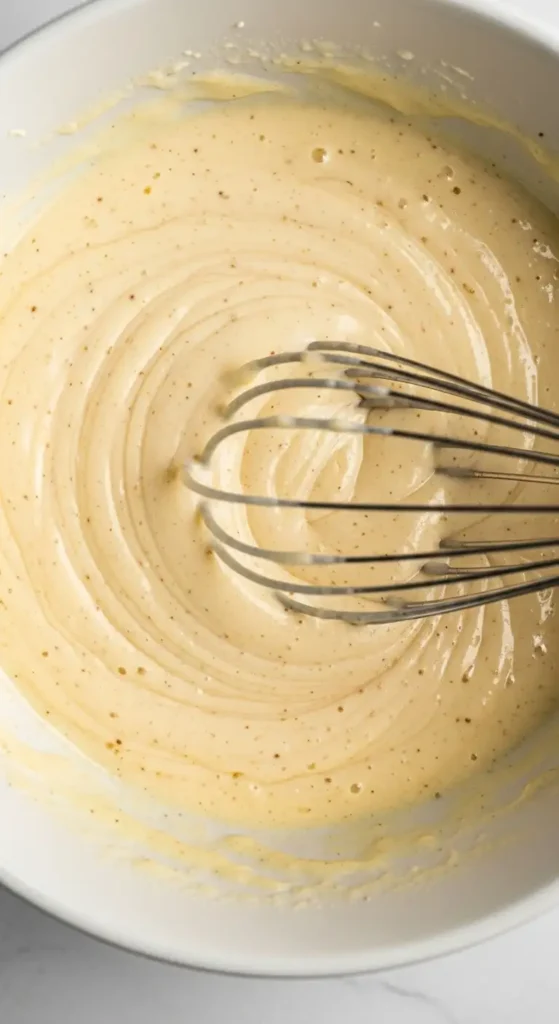
Whisk until smooth and fully combined—no streaky egg whites. This creates even soaking and consistent texture.
Soak Smart (Timing Is Everything)
Soaking too long leads to soggy toast. Too short, and the inside stays dry.
The sweet spot:
- 20–30 seconds per side for thick bread
- 10–15 seconds per side for thinner slices
Press lightly so the custard penetrates the center—but don’t let the bread fall apart. You want it saturated, not collapsing.
Rule of thumb: The bread should feel heavy but still hold its shape.
Use the Right Pan and Fat Combo
This is where crispiness is born.
Best setup:
- Heavy skillet or nonstick pan
- Medium heat (not high!)
- Butter + neutral oil (like avocado or vegetable oil)
Butter adds flavor, oil prevents burning. Heat the pan until butter foams but doesn’t brown.
If the pan is too hot, the outside burns before the inside sets. Too cool, and you’ll never get that golden crust.
Cook Low and Slow for the Perfect Contrast
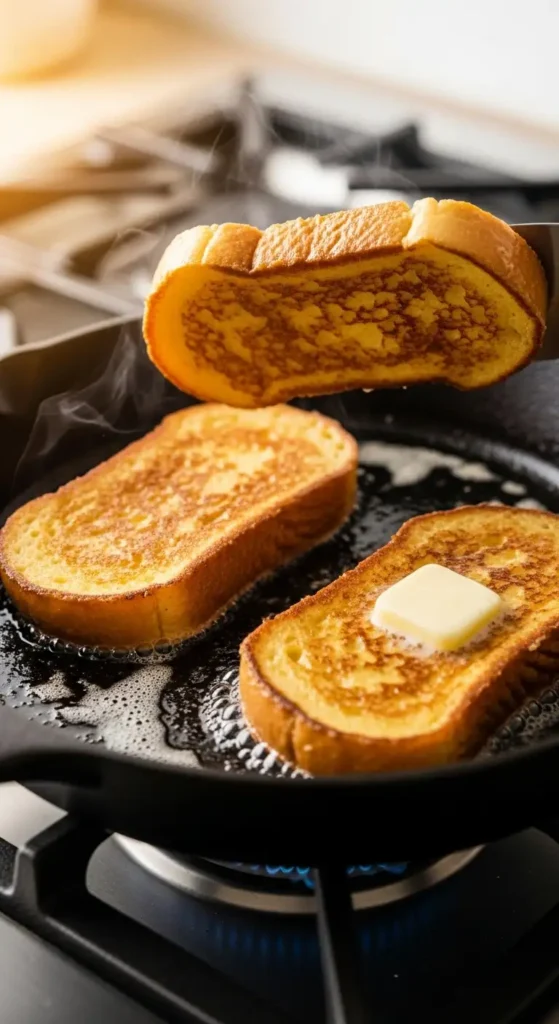
Place soaked bread in the pan and don’t touch it right away.
Cooking guide:
- 2–3 minutes per side
- Flip only when deeply golden
- Lower heat slightly after flipping
Press gently with a spatula—this ensures even browning without squeezing out moisture.
For extra-thick slices, finish in a 300°F (150°C) oven for 5 minutes after pan-frying. This keeps the inside soft without over-browning the outside.
Add Crisp Without Drying It Out
Want next-level texture? Try one of these tricks:
- Sprinkle a tiny pinch of sugar onto the bread before cooking (caramelizes beautifully)
- Finish with a quick second flip for 30 seconds per side
- Let cooked slices rest on a wire rack, not a plate (prevents steam sogginess)
These small steps make a noticeable difference.
Serve While Hot (Toppings Matter)
French toast loses crispness as it sits—serve immediately for best texture.
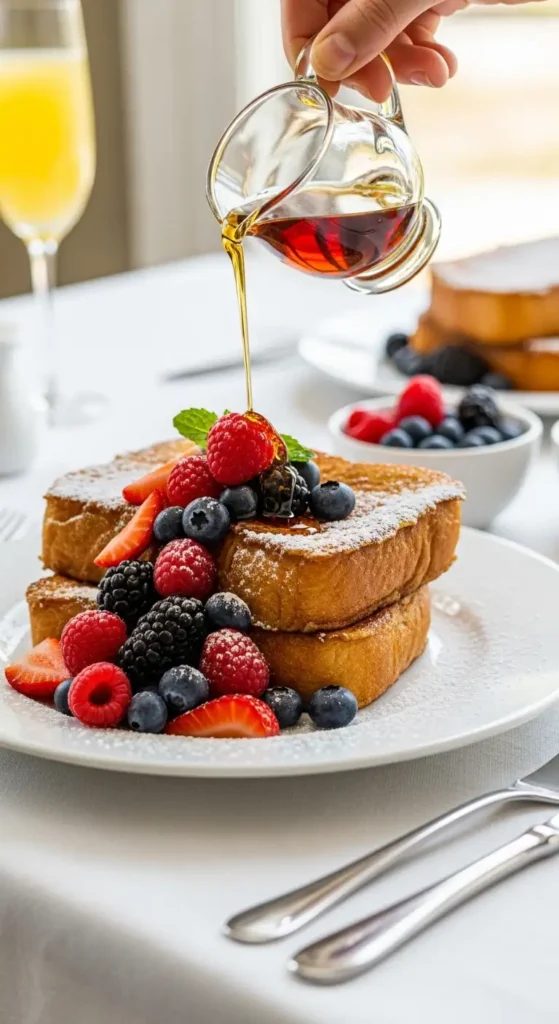
Classic toppings that won’t ruin the crust:
- Powdered sugar
- Warm maple syrup (served on the side)
- Fresh berries
- Light whipped cream
Avoid drowning it. Let the toast shine.
Common French Toast Mistakes to Avoid
- Using low-fat milk (leads to dry centers)
- High heat cooking (burnt outside, raw inside)
- Over-soaking thin bread
- Skipping salt (yes, it matters!)
Fix these, and your French toast instantly levels up.
Final Takeaway
Crispy outside, soft inside French toast isn’t about fancy ingredients—it’s about technique. The right bread, a rich custard, controlled heat, and a little patience make all the difference.