You’re ready for breakfast, but the bacon’s soggy or splattered across the stove again. Learning how to cook bacon so it’s crispy not greasy means controlling heat, using the right tools, and draining properly — not frying faster. This guide shows you how to cook bacon every time with a flat, evenly cooked strip and minimal mess.
The secret tools? A sturdy 10-inch cast iron skillet for stovetop control and a rimmed baking sheet for hands-off oven batches. Read on for step-by-step methods, timing for thin vs. thick bacon, and simple hacks that cut splatter and grease.
Getting Your Station Ready
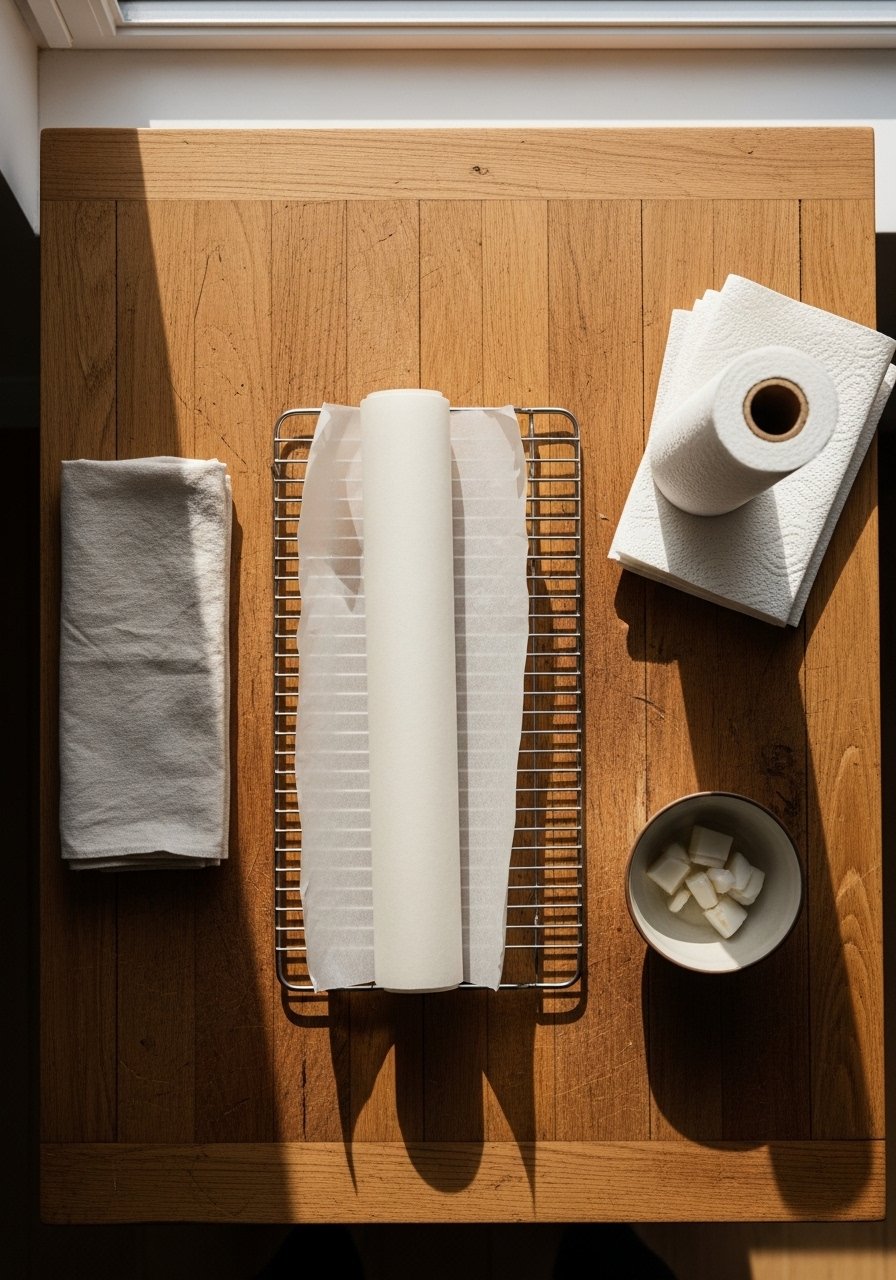
Set a tidy station so you can move quickly — that’s half the battle when you learn how to cook bacon without grease pooling.
- Lay out parchment paper on your sheet for easy cleanup: parchment paper.
- Place a wire cooling rack nearby for draining so bacon stays crisp.
- Keep paper towels handy to blot excess fat.
Pitfall to avoid: overcrowding. Cook in a single layer so strips brown rather than steam.
Cold-Pan Water Trick: Flat, Even Stovetop Bacon
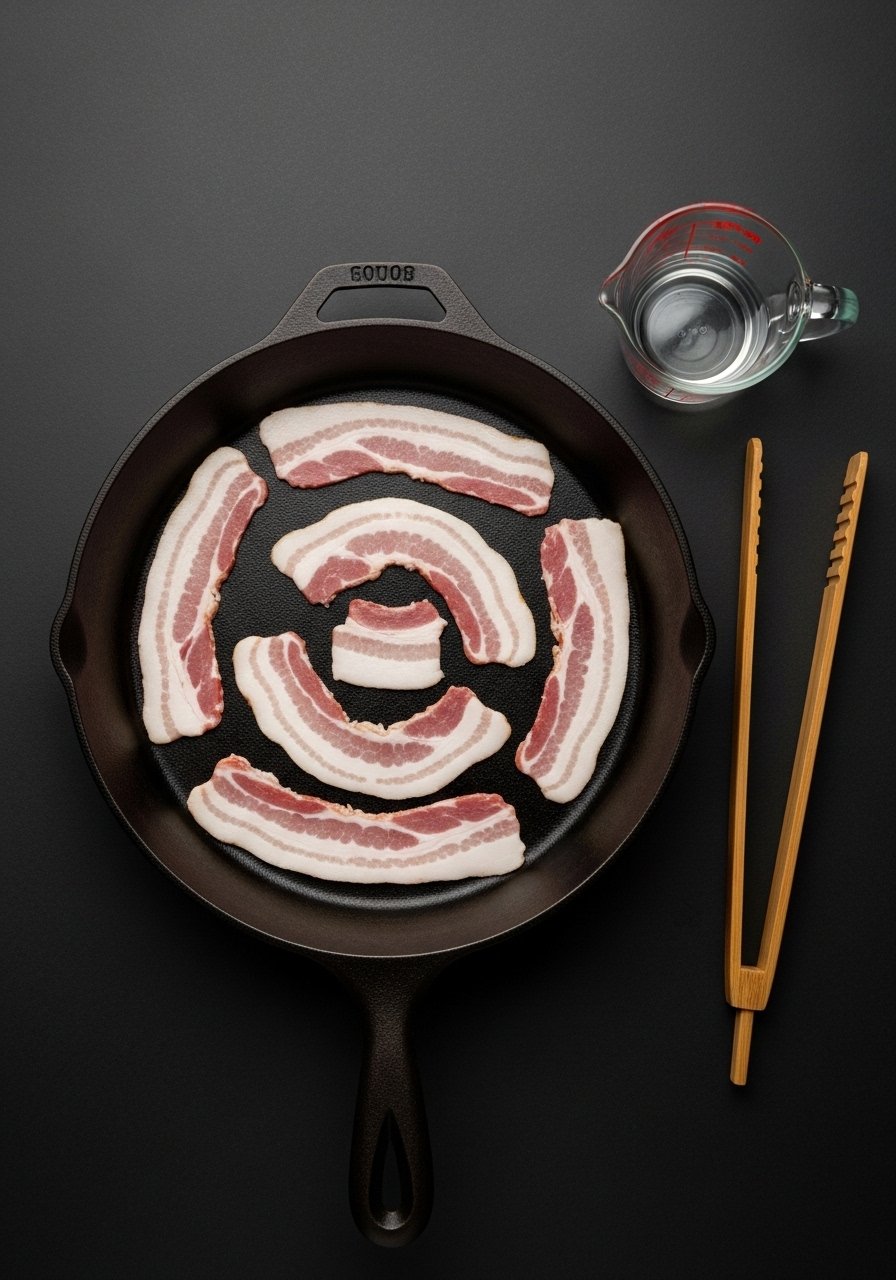
This chef trick reduces curling and splatter — great when you want crispy bacon without babysitting.
- Lay bacon in a cold skillet so slices barely overlap.
- Add about 1/4 cup water to the pan — just enough to cover the bottom.
- Turn heat to medium-low and let the water simmer; it will poach the fat and keep slices flat.
- Once the water evaporates (~6–10 minutes), increase heat to medium-high and let the bacon crisp, 1–3 minutes per side.
- Use a nonstick skillet if you prefer easier release.
- Flip with a silicone spatula and grab with kitchen tongs once the edges brown.
Tip: When the fat is rendered and sizzling, it’s normal for a little splatter — water-first greatly reduces big pops.
Oven Method for Hands-Off Batch Crisping
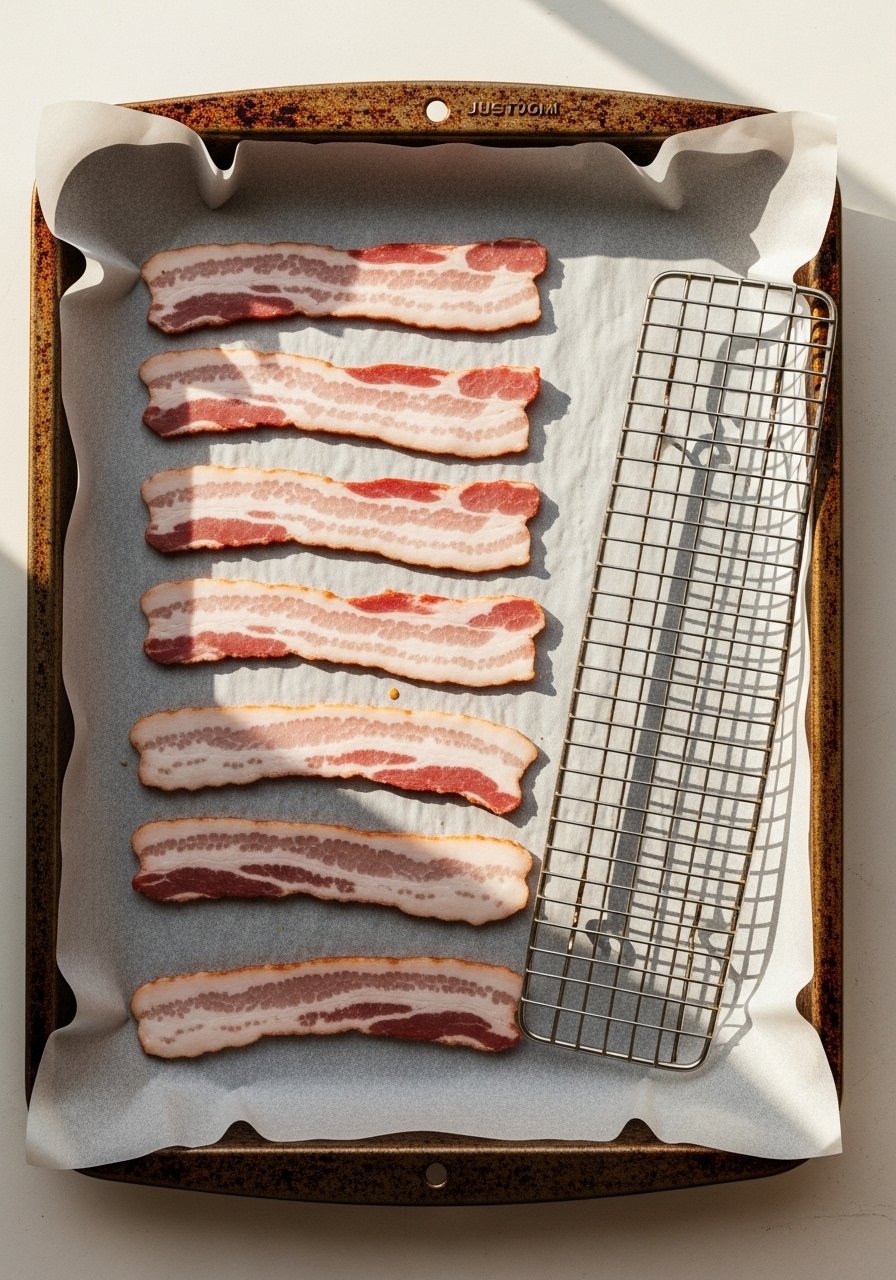
For parties or a pound of bacon, the oven is your friend — flat slices, no flipping, and minimal splatter.
- Preheat oven to 400°F for quicker crisp or 350°F for chewier results.
- Line a rimmed baking sheet with parchment paper.
- Arrange bacon in a single layer. For extra crisp, elevate on a wire rack for baking sheet.
- Bake thin slices 12–15 minutes, thick-cut 18–22 minutes. Watch the last 2 minutes — sugars can go from browned to burnt fast.
Pro tip: Check oven temp accuracy with an oven thermometer so your timing matches the crisp level you want.
Finishing, Storing, and Reheating for Crispy Results
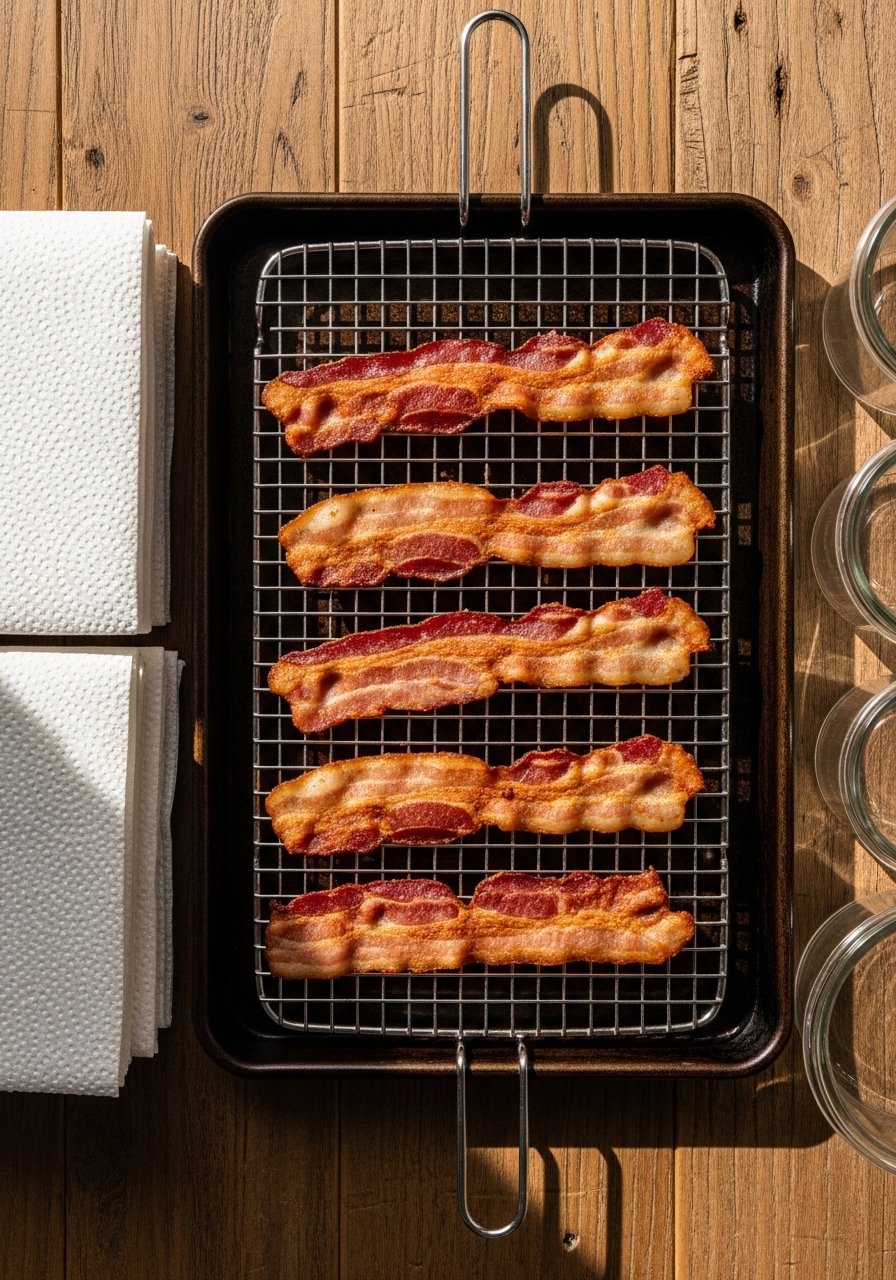
The final steps decide whether bacon stays crispy or goes greasy.
- Transfer strips directly to a wire cooling rack so air circulates under them.
- Blot lightly with paper towels if you want extra dry slices.
- Store cooled bacon in airtight glass storage containers in the fridge for up to 4 days; freeze flat for longer.
Reheat on a rack in a 350°F oven for 5–7 minutes to revive crispness, or crisp quickly in a hot skillet for 1–2 minutes.
Which method is best? For a quick, single breakfast try the cold-pan water trick; for batch prep and no splatter use the oven. Both answer the main how to cook bacon goal: crispy not greasy.
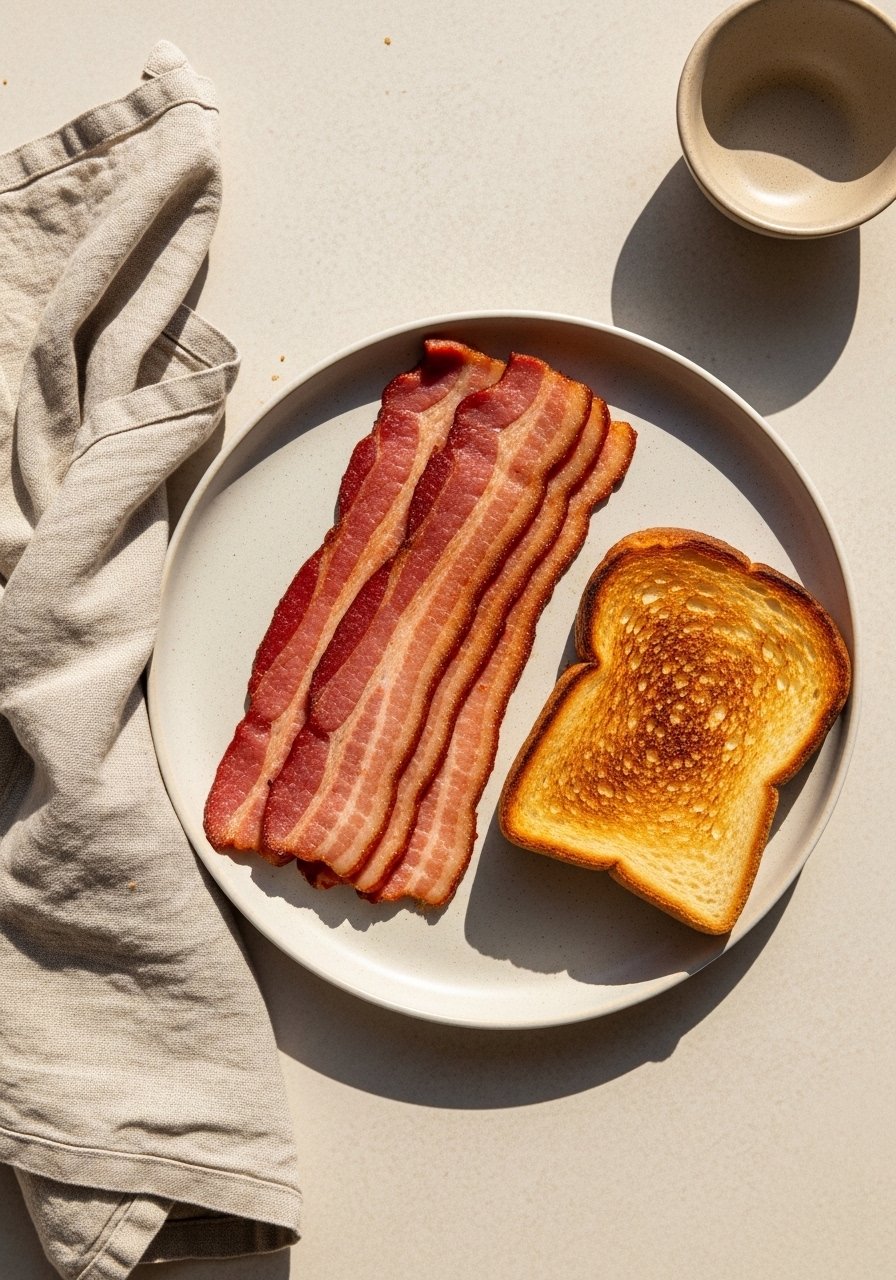
You’ve got the tools and the timing to make crispy, not greasy bacon every time. Save this guide and pin it for your next brunch. Which trick will you try first — cold-pan or oven? If you plan on doing bacon often, a reliable rimmed baking sheet or 10-inch cast iron skillet will pay off fast. Pin this and share with a friend who needs better bacon.