You know the feeling: you follow a “healthy” pancake recipe and the result is dry, dense pancakes that crumble on the fork. According to a 2024 Food Network survey, about 62% of home cooks name dry pancakes as their top breakfast fail. If you want healthy pancakes without dry texture, you’re in the right place.
This guide teaches you exactly how to make moist, fluffy healthy pancakes without dry texture—step by step. You’ll learn ingredient swaps, a mixing method that stops overworking, and cooking cues to get crispy golden edges and a tender, moist inside. A digital kitchen scale helps with accuracy, and a 10-inch cast iron skillet gives steady heat for even browning.
Read on for measurements, timings, troubleshooting tips, and pantry-friendly substitutions so you can pin this and try it today.
Preparing Your Ingredients for Moist, Healthy Pancakes
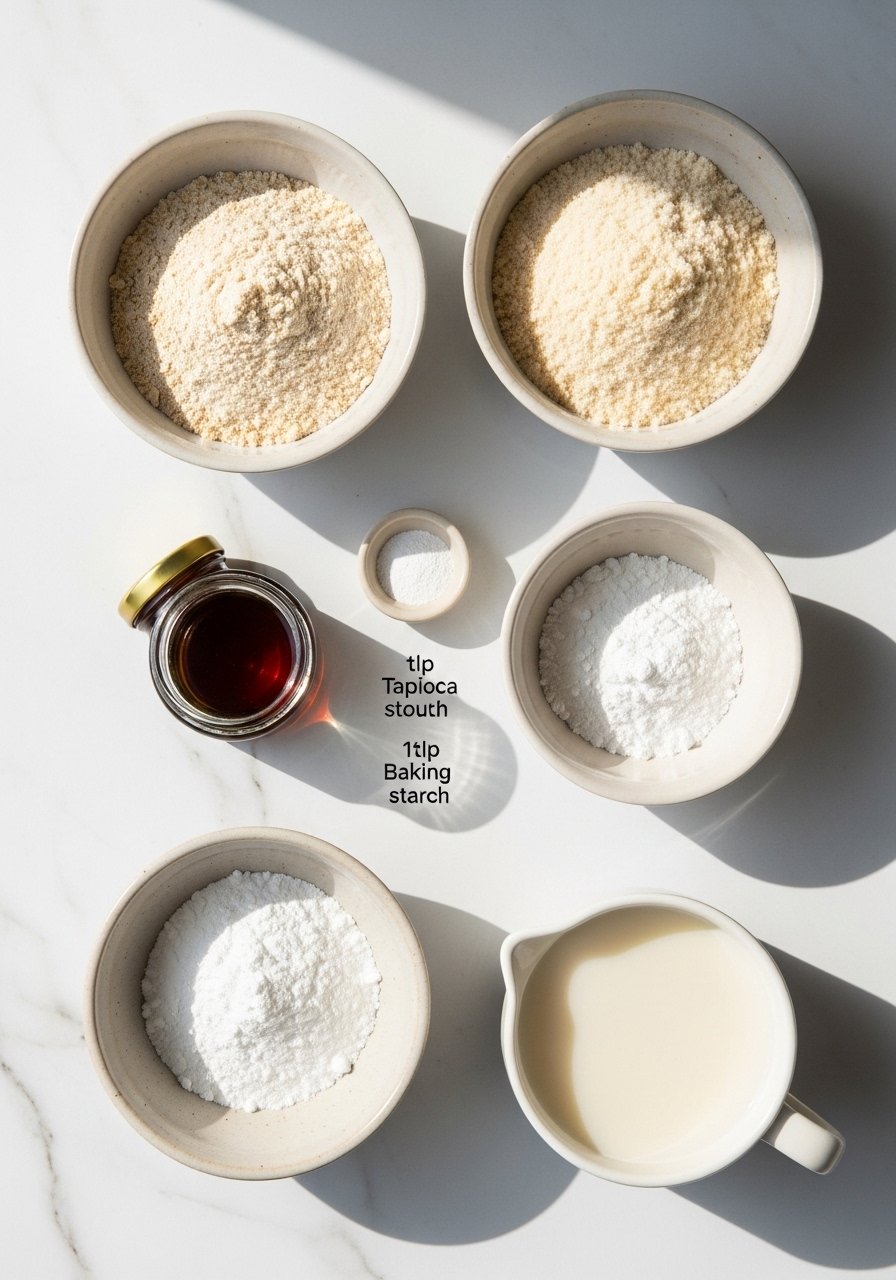
Start with the right flour mix and moisture balance—this fixes the #1 pain point: too much whole-grain flour that soaks up liquid.
- Use 1 cup oat flour + 1/2 cup almond flour rather than 100% whole-grain. Almond flour keeps crumb tender and adds fat.
- Add 2 tbsp tapioca starch to retain moisture and add chew without gluten.
- For sweetness and extra moisture, add 1 tbsp pure maple syrup.
Exact starter recipe (yields 8 small pancakes):
- 1 cup oat flour, 1/2 cup almond flour, 2 tbsp tapioca starch, 1 tbsp baking powder, pinch salt.
- Wet: 1 cup oat milk, 1 large egg + 1/4 cup Greek yogurt, 1 tbsp melted avocado oil, 1 tbsp maple syrup.
If you’re low on time, swap oat flour for a ready-made gluten-free flour blend. Find almond flour, oat flour, and tapioca starch in your pantry or grab them online: almond flour, oat flour, tapioca starch.
Mixing Technique to Avoid Overworking and Dry Pancakes
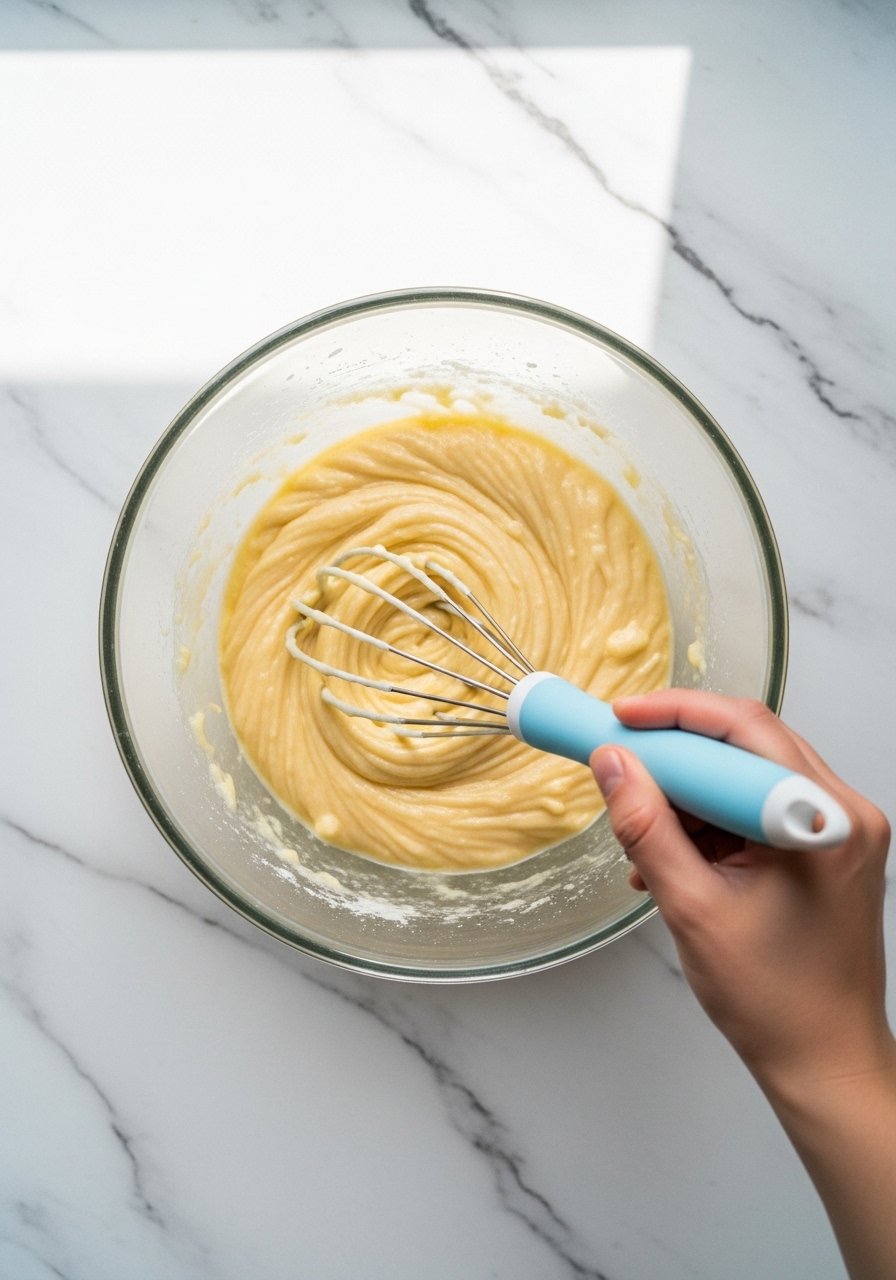
Overmixing is the silent cause of chewy, dense pancakes. Follow a gentle mixing routine to keep pancakes tender.
- Whisk dry ingredients together first; whisk wet ingredients separately.
- Combine wet into dry and stir only until large lumps disappear—about 10–12 gentle stirs.
- Fold in 1/4 cup Greek yogurt for extra moisture and tang.
Pro tips:
- Use a silicone whisk so you don’t shock the batter with metal and it’s easy to clean.
- If the batter feels too thick after 5 minutes (oat flours absorb), loosen with 1–2 tbsp oat milk. Batter should be pourable, not runny.
Also prep in glass meal prep bowls for mise en place—saves time and keeps the cooking flow smooth.
Cooking and Heat Control for Fluffy, Moist Pancakes
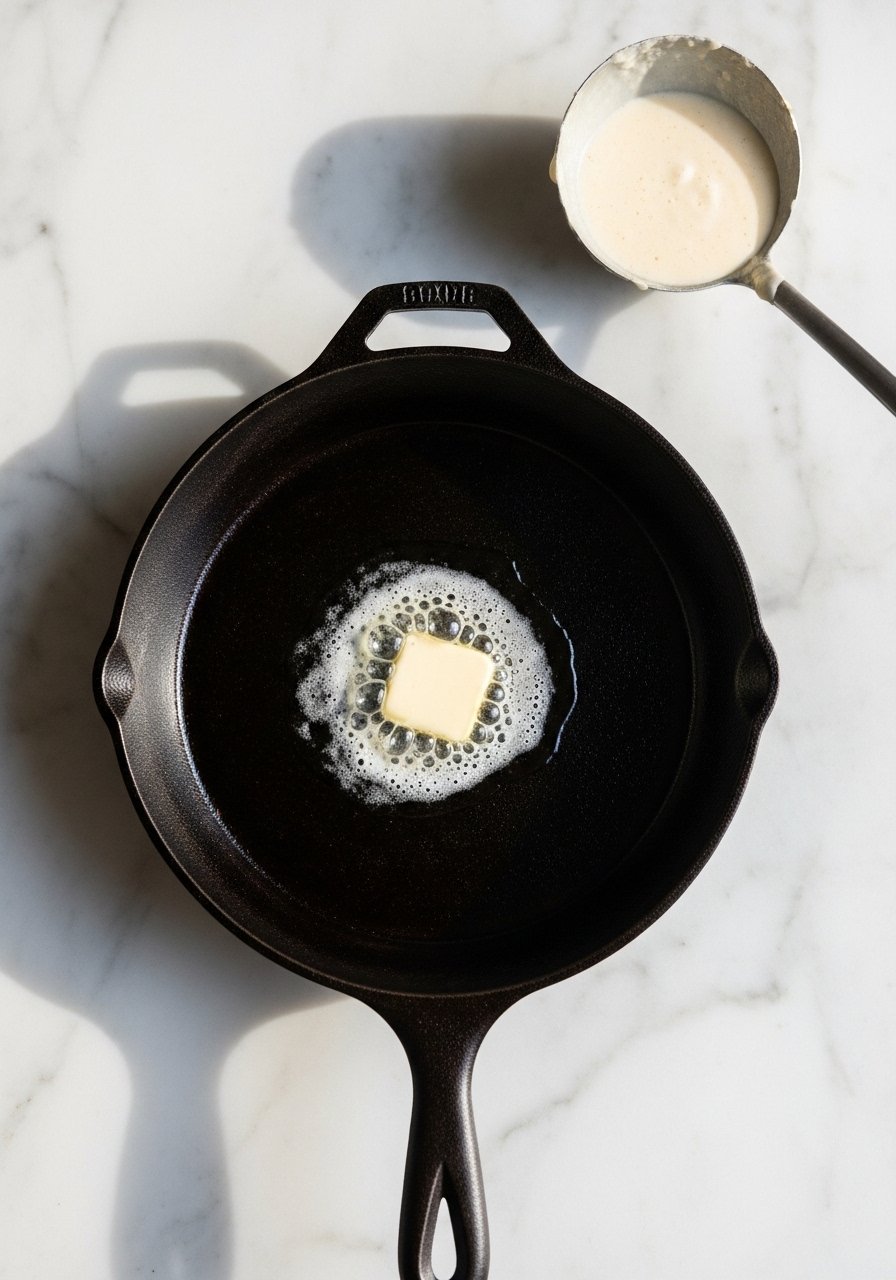
Heat is crucial: too hot and the outside burns while the inside dries; too cool and pancakes soak up fat.
- Heat a cast iron skillet over medium-low for 3–4 minutes. You want a steady sizzle—aim for a surface around 300–325°F if you use an infrared thermometer.
- Use a small amount of oil or butter and wipe excess with a paper towel—thin oil film prevents soggy bottoms.
- Ladle 1/4 cup batter per pancake. Wait for bubbles to form and edges to set (about 2–3 minutes), then flip and cook another 1–2 minutes.
Use a thin silicone spatula to flip gently. For extra moistness, cover the pan for 15–20 seconds after flipping to trap steam—this finishes the center without over-browning.
Mention of tools: a 10-inch cast iron skillet like Lodge holds heat well for even, crispy golden edges and a tender inside.
Finishing Touches, Storage, and Variations
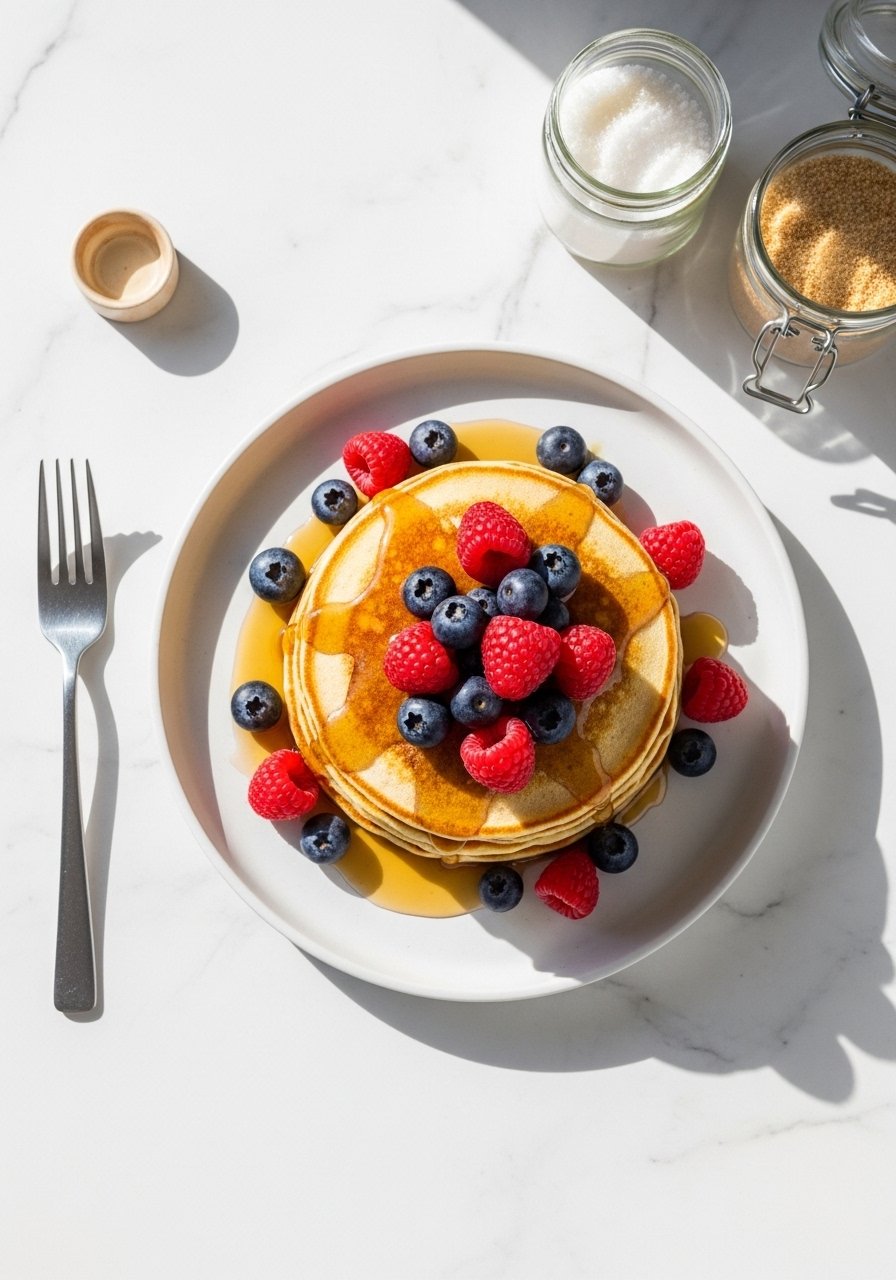
Finish and save your work:
- Serve immediately for best texture: crispy golden edges, tender, moist inside.
- To keep warm without steaming: place on a wire rack in a 200°F oven for up to 20 minutes.
- Storage: cool completely, then freeze in single layers separated by parchment. Reheat in a toaster or oven.
Variations and swaps:
- Replace Greek yogurt with mashed banana (1/4 cup) for natural sweetness.
- For nut-free, swap almond flour for extra oat flour + 1 tbsp extra tapioca starch.
- Add 1 tbsp chia or flaxseed for fiber—soak briefly to prevent dryness.
Grab pantry favorites like pure maple syrup or replace refined sugar with coconut sugar to keep the recipe healthy and flavorful.
You’ll notice each tweak addresses common complaints: overly dry crumb, flat pancakes, or uneven cooking.
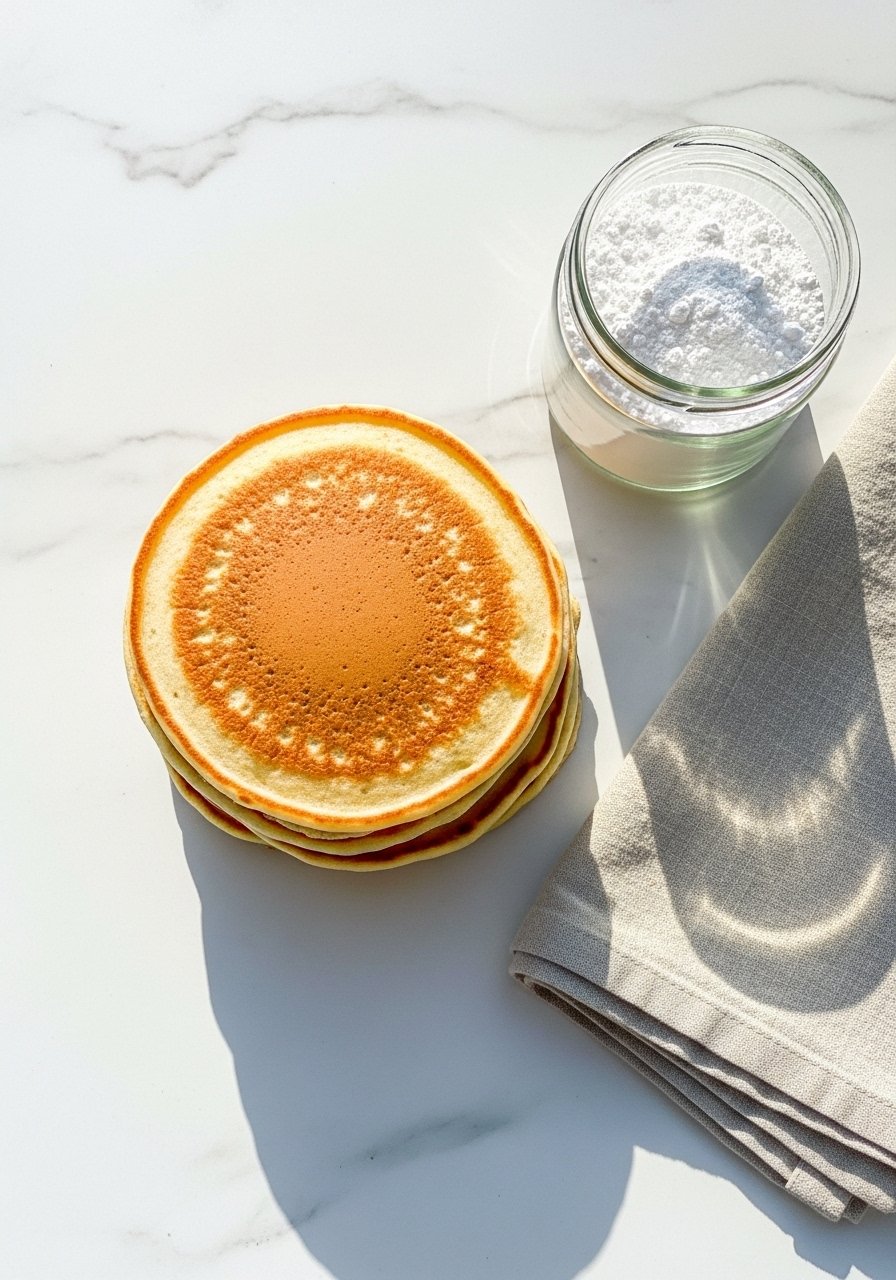
These steps will help you make healthy pancakes without dry texture every time. Try the recipe once, then tweak flour ratios based on what’s in your pantry.
Keep this guide pinned—what will you try first: the oat+almond flour blend, the tapioca trick, or the brief pan cover after flipping? If you want one helpful tool, snag a digital kitchen scale for consistent results. Pin this guide for your next weekend breakfast and share it with friends who hate dry pancakes!