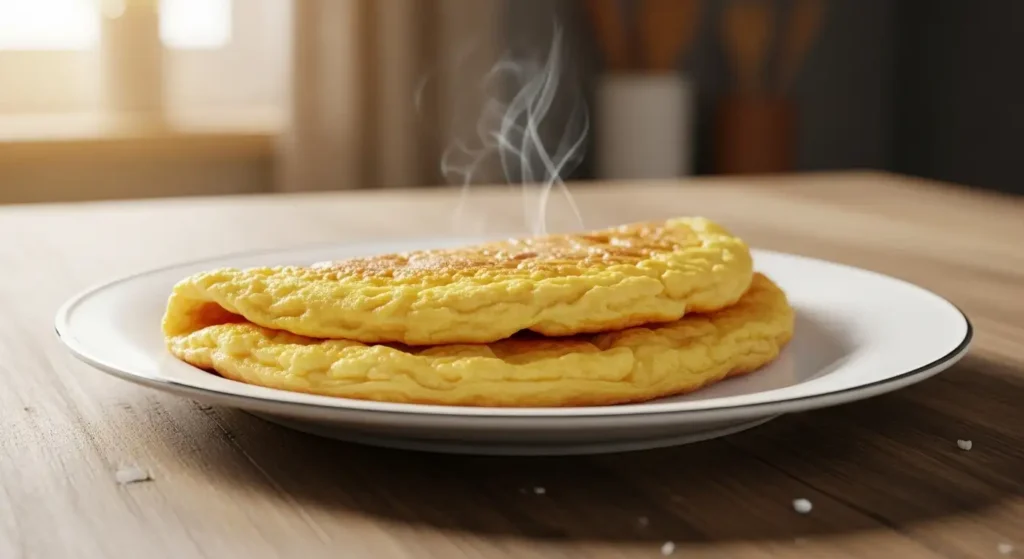
You know that frustrating moment when your omelette looks perfect in the pan—soft, glossy, full of promise—and then it tears the second you try to fold it. The filling spills out, the eggs crack, and suddenly breakfast feels like a failure. The truth is, a perfect omelette isn’t about luck or fancy tools. It’s about understanding a few simple techniques that keep the eggs tender, flexible, and strong enough to fold.

Follow these steps, and you’ll be making restaurant-style omelettes that slide onto the plate without a single crack.
1. Start With the Right Eggs and Prep
A good omelette starts before the stove is even on. Eggs are the foundation, and how you handle them matters more than most people realize.
What to do:
- Use fresh eggs whenever possible
- Stick to 2–3 eggs per omelette
- Let the eggs come to room temperature
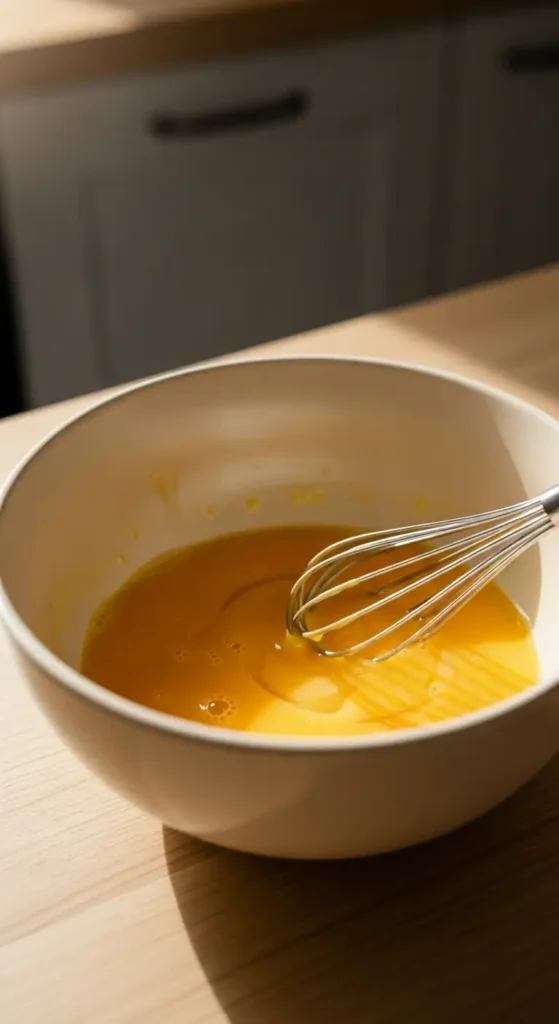
Crack the eggs into a bowl and whisk gently with a fork. You’re not trying to whip air into them—just blend the whites and yolks until smooth. Over-whisking creates a bubbly structure that breaks easily during folding.
Season lightly with salt at this stage. Salting early helps the eggs stay tender and cohesive as they cook.
2. Choose the Right Pan and Heat Level
The pan and heat can make or break your omelette before it even forms.
Best setup:
- Nonstick pan (8–10 inches)
- Medium-low heat
- Silicone or rubber spatula
Add about a teaspoon of butter and let it melt slowly. The butter should foam lightly but not brown. If it browns, the pan is too hot and your eggs will seize instead of staying flexible.
A simple heat test: drop a tiny bit of egg into the pan. It should gently sizzle—not aggressively bubble.
3. Master the Pour-and-Control Technique
Once the pan is ready, pour in the eggs and immediately swirl the pan so they spread evenly across the surface. This thin, even layer is essential for a strong but tender omelette.
After about 10–15 seconds:
- Use your spatula to gently pull the cooked edges toward the center
- Tilt the pan so uncooked egg flows into the empty spaces
This method creates soft layers without tearing the eggs.
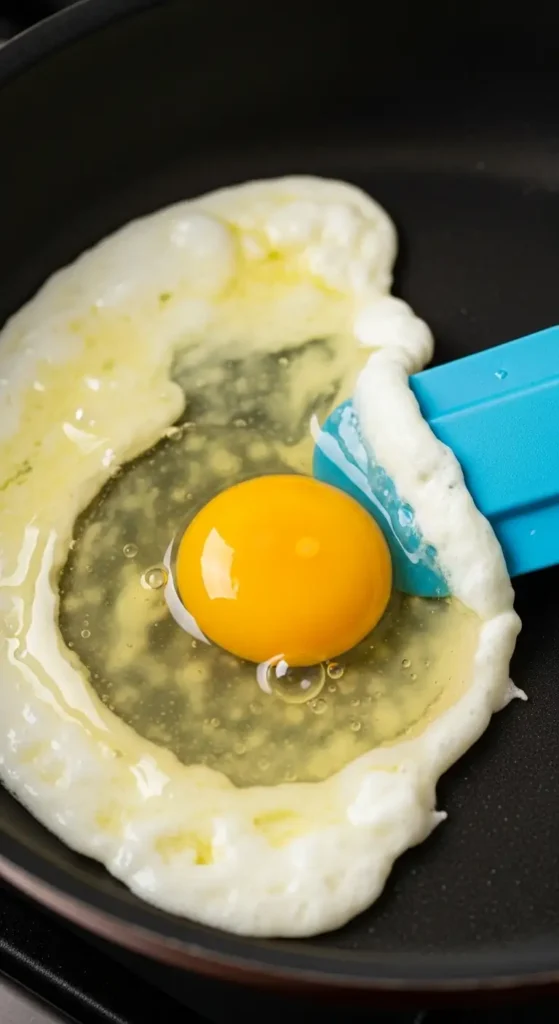
Avoid scraping or pressing. The goal is guidance, not force.
4. Add Fillings Without Overloading
This is where many omelettes fail. Too much filling makes folding almost impossible.
Best fillings include:
- Finely shredded cheese
- Sautéed vegetables (well-cooked and dry)
- Thin slices of cooked meat
Wait until the eggs are mostly set but still slightly glossy on top. Add fillings to one half of the omelette only. This creates a clean fold and keeps the structure intact.
If it looks like “just enough,” stop there. Omelettes need restraint.
5. Fold Gently and at the Right Moment
Timing is everything here. If the eggs are too wet, they tear. If they’re too dry, they crack.
When the bottom is set and the top looks custardy:
- Loosen the edges gently with your spatula
- Tilt the pan slightly away from you
- Fold the empty side over the filling in one smooth motion
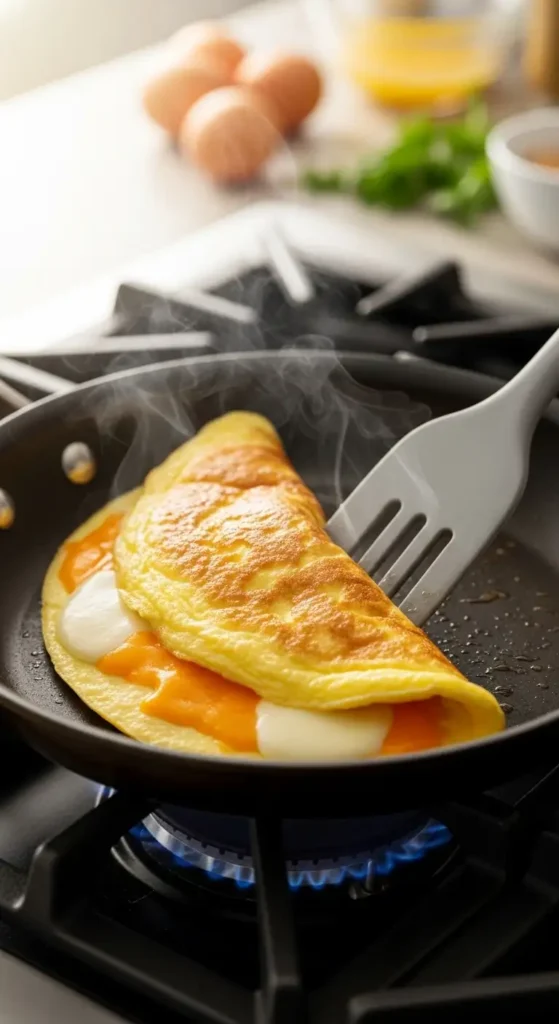
If the omelette resists, give it another 10–15 seconds. Never force the fold—patience prevents breakage.
6. Let It Rest and Slide, Not Lift
After folding, let the omelette rest in the pan briefly. This allows the inside to finish cooking and the fold to seal naturally.
To serve:
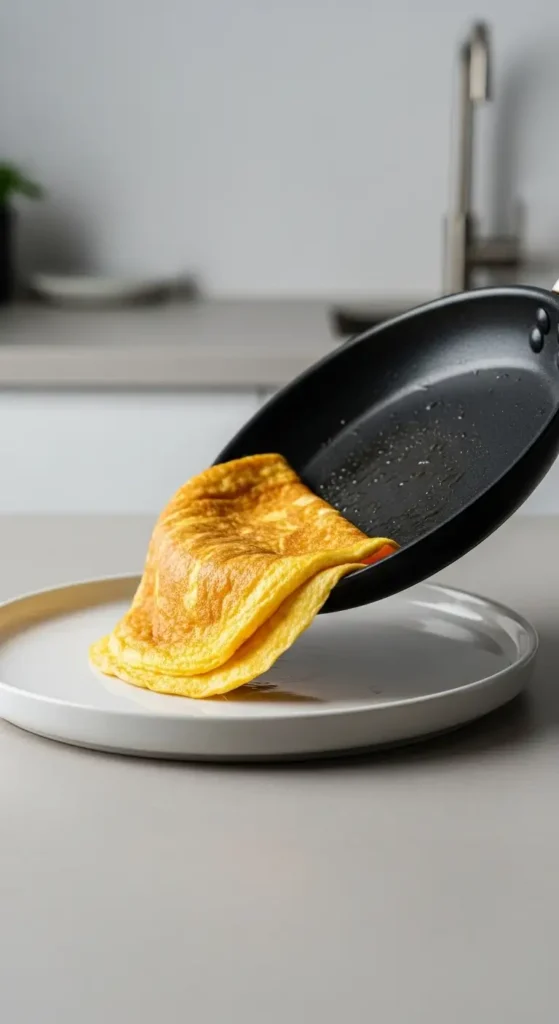
- Tilt the pan toward the plate
- Gently nudge the omelette with the spatula
- Let it slide out on its own
Lifting often causes tearing. Sliding keeps the shape smooth and intact.
7. Avoid These Common Omelette Mistakes
Even small missteps can cause cracks. Watch out for:
- Heat that’s too high
- Overfilling with toppings
- Over-whisking the eggs
- Rushing the fold
- Using metal utensils on nonstick pans
Slow, controlled cooking is the secret to a flawless omelette.
Final Takeaway
A perfect omelette doesn’t require professional training—just gentle heat, thoughtful timing, and a light hand. Once you understand how eggs behave in the pan, folding them becomes easy and stress-free.